Monday - Friday 07:30 - 17:30, Saturday 07:30 - 16:00
Floor Sanding in East London, E5
Back to Portfolio
Floor Sanding in East London, E5
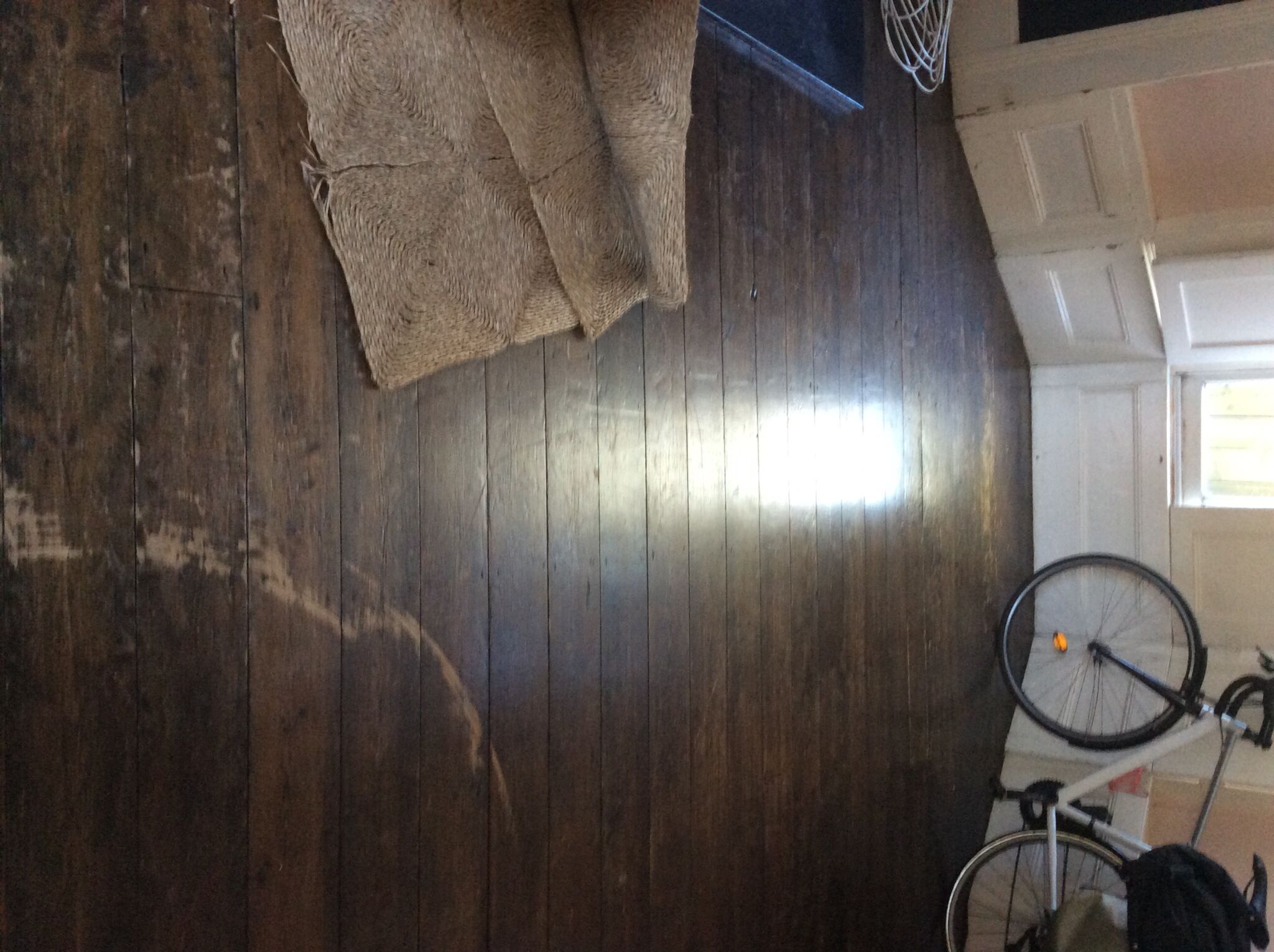
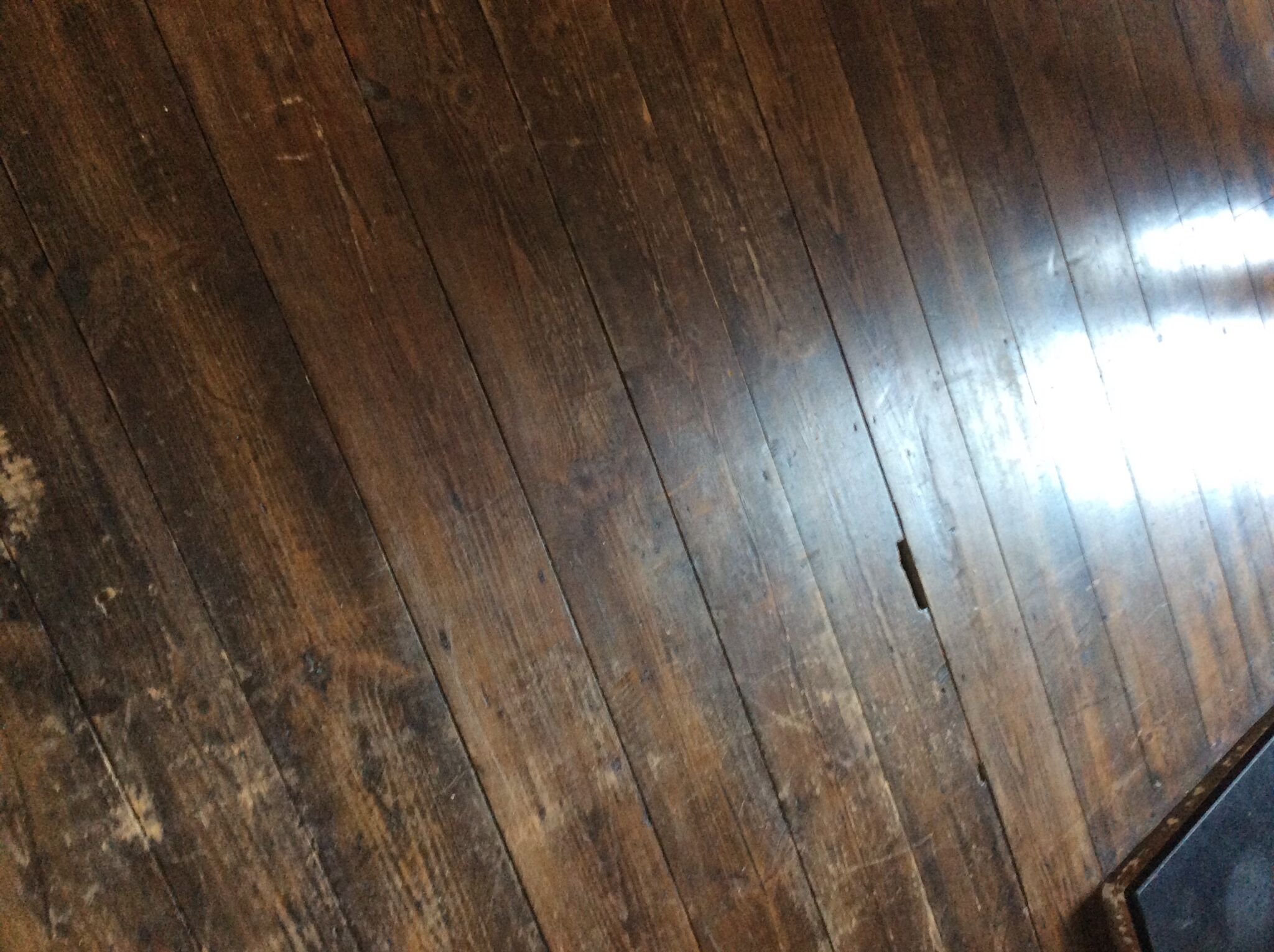
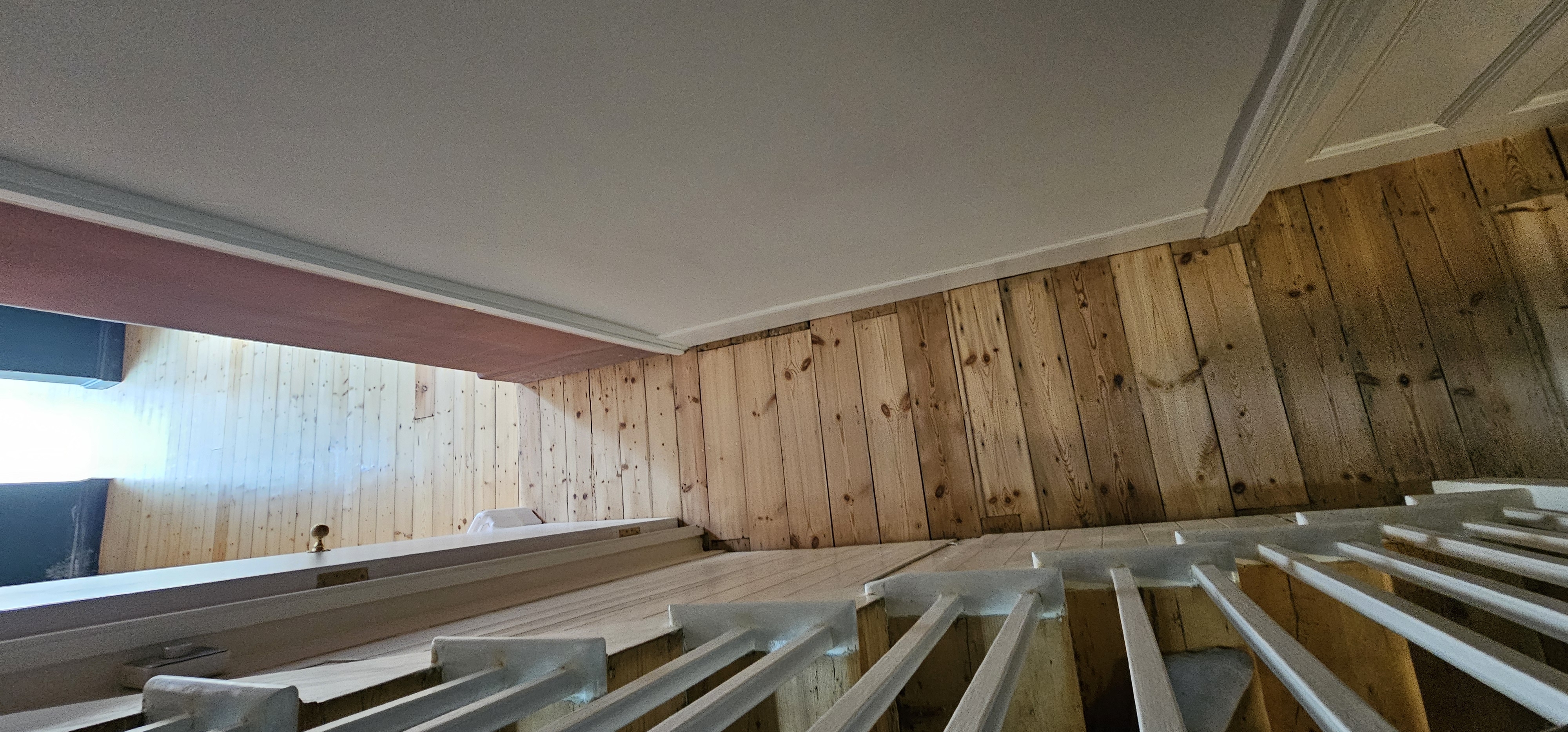
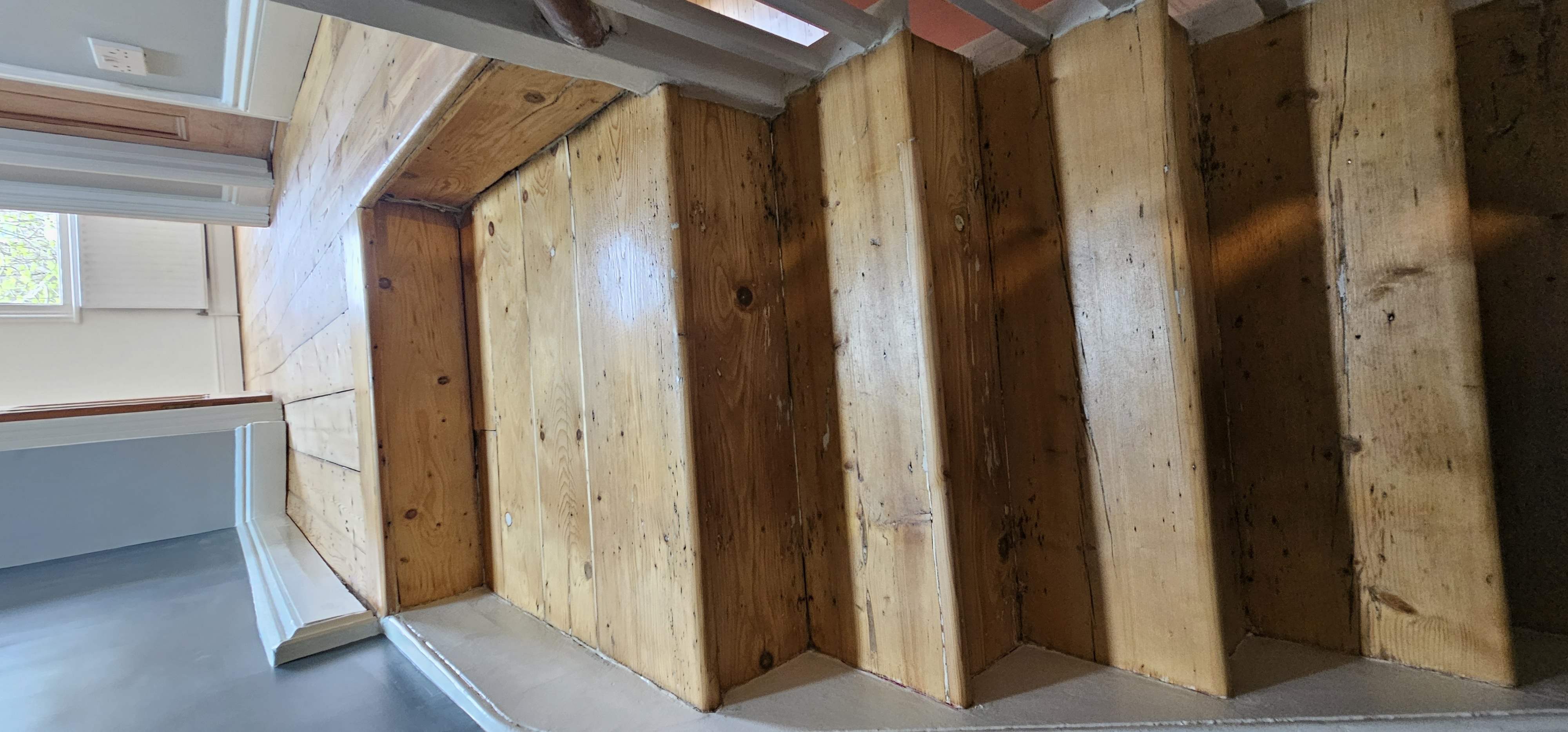
We recently completed a full floor sanding project on a Victorian terraced property in East London, E5. The property had original oak floorboards that had accumulated decades of wear, multiple coatings, and surface damage. Our team stripped back all existing finishes and restored the boards to their natural appearance.
Work carried out
- Initial inspection and floor assessment
- Dust containment setup and air filtration
- Coarse grit sanding (40 grit)
- Medium grit sanding (80 grit)
- Fine grit sanding (120 grit)
- Edge sanding to skirting boards
- Gap filling with wood filler
- Final dust extraction and cleaning
- Surface preparation for finishing coat
About the project
The property was a three storey Victorian end terrace with original pine and oak throughout the ground floor. The main challenge was managing dust across an occupied residential property. We set up a dedicated dust containment system with plastic barriers between rooms and HEPA filtration units running throughout the sanding process. This kept airborne particles to a minimum and allowed the homeowners to stay in the property without excessive disruption.
The floorboards themselves showed significant variation in condition. Some areas had deep indentations from furniture legs and years of foot traffic, whilst other sections had paint splatter and old adhesive from previous carpet installations. Our approach was to work through multiple grit stages, starting with 40 grit to level the surface, then 80 grit to remove scratches from the first pass, finishing with 120 grit for a smooth final surface. This multi stage method took five days total, but delivered a finish that revealed the true colour and grain of the original wood without over-sanding or creating hollows.
About our East London, E5 service
East London properties present particular opportunities for floor restoration work. The E5 postcode covers Clapton, Hackney Marshes and surrounding areas, with a dense mix of Victorian and Edwardian terraced housing dating from the 1880s through to 1920s. Many of these properties retain original hardwood floors beneath carpet or vinyl, often installed during the mid to late twentieth century when floor coverings were preferred. Property owners in the area are increasingly choosing to expose and restore these original boards as part of renovation work.
Beyond the Victorian and Edwardian stock, we also work on newer residential conversions and modern apartment buildings in the area. The substrate and floor type varies considerably, from solid oak and pitch pine in older properties to engineered oak and maple in contemporary developments. Our experience across these different property types means we understand what each floor needs. We adjust our sanding approach based on wood type, age, and condition rather than applying a one size fits all method.
Frequently asked questions
How much does floor sanding cost?
Floor sanding typically costs between £25 and £45 per square metre, depending on the current condition of the boards and the finish you require. Heavily damaged floors or those with multiple adhesive layers take longer to prepare and cost more. We provide a detailed quote after an on site inspection, measuring the area and assessing the specific work needed.
How long does sanding take?
A typical residential floor of 30 to 40 square metres takes between four and six days to sand properly. This includes the setup time for dust containment, the multi stage sanding process, edge work, and final cleaning. Rushing the sanding stages or skipping grits to save time results in poor surface quality, so we build in adequate time for each pass.
Is the dust free process really dust free?
No process is entirely dust free when abrading wood, but our dust containment system captures approximately 95 percent of particles at source. We use HEPA filtration units and seal off the working area with plastic barriers. Fine dust can still settle in adjacent rooms, particularly on horizontal surfaces, so we advise moving valuables and covering furniture in nearby areas. After sanding finishes, we carry out a thorough clean with specialised equipment to remove any remaining particles.
Project Gallery